





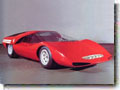
 |
The 1969 Abarth 2000 Pininfarina |
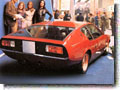
|
The 1970 Giacobbi Sinthesis by Tom Tjaarda. |
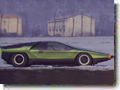 |
The 1968 Alfa Romeo Carabo, designed by Gandini. |
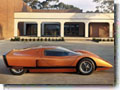 |
The 1969 Holden Hurricane research vehicle. |
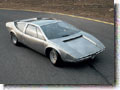 |
The 1969 Alfa Romeo Iguana prototype. |
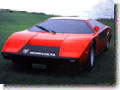 |
The 1972 Iso Rivolta Varedo by Ercole Spada. |
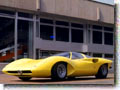 |
The 1969 Alfa Romeo 33-2 concept car by Pininfarina. |
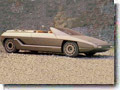 |
The Bertone designed Lamborghini Athon from 1980 |
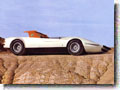 |
The 1968 Alfa Romeo Pininfarina P33 Roadser. |
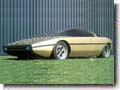 |
The Bertone designed Lamborghini Bravo, concept car. |
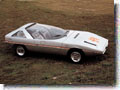 |
The 1971 Concept car designed by Giugiaro. |
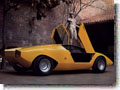 |
The Lamborghini Countach prototype and LP400. |
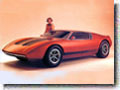 |
The AMC AMX-2 prototype from 1969. |
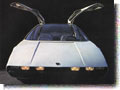 |
The 1967 Lamborghini Marzal saloon car. |
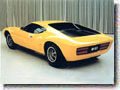 |
The AMC AMX-3 prototype from 1970. |
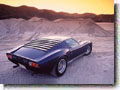 |
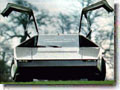
The 1971 Lamborghini Miura SV Supercar. |
 |
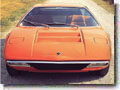
The Aston Martin Bulldog from 1980 |
 |
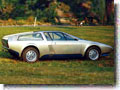
The 1970 Lamborghini Prototype |
 |
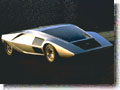
The Frua designed Audi concept car. |
 |
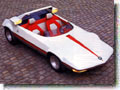
The 1970 Lancia Stratos Zero concept car. |
 |
The Autobianchi Runabout prototype, from 1969. |
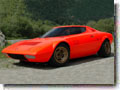 |
The Lancia Stratos HF Prototype |
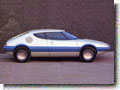 |
The 1973 NSU Trapezio. |
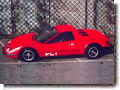 |
The 1972 FL1 designed by Francise Lombardi. |
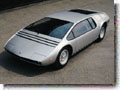 |
The Ital designed 1968 Bizzarrini Manta. |
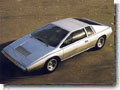 |
The 1972 M70 Lotus Esprit concept car. |
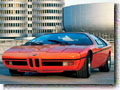 |
The 1972 E25 BMW Turbo. |
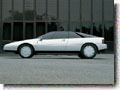 |
The 1984 Lotus Etna concept car, design by Giugiaro. |
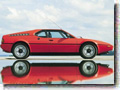 |
The 1978 production car |
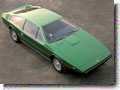 |
The 1974 Maserati 124 concept car. |
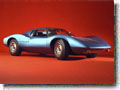 |
The 1968 Chevrolet Astro II |
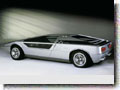 |
The 1972 Maserati Boomerang supercar. |
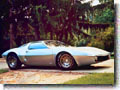 |
The Chevrolet XP-882 from 1970. |
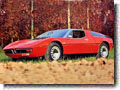 |
The 1971 Maserati Bora production supercar. |
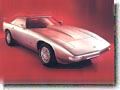 |
The Chevrolet XP-898 from 1973. |
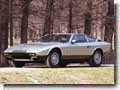 |
The 1972 Maserati Khamsin production car. |
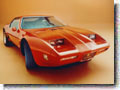 |
The Chevrolet XP-897 GT from 1973. |
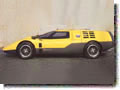 |
The Mazda RX500 supercar, from Toyo Kogyo. |
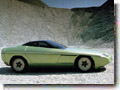 |
The 1984 Bertone Concept car |
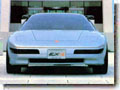 |
The 1985 MG EX-E concept car |
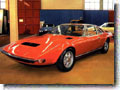 |
The Frua designed concept car from 1972. |
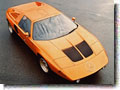 |
The 1970 Mercedes C111 supercar and research vehicle. |
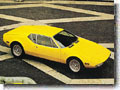 |
The mid-engined production supercar |
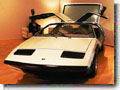 |
The 1971 Matra Laser, designed by Michelotti. |
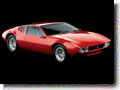 |
The 1966 DeTomaso Mangusta production car. |
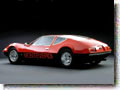 |
The Monteverdi Hai 450SS supercar, by Fissore. |
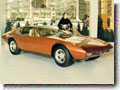 |
The 1971 De Tomaso Zonda by Ghia. |
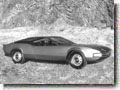 |
The Oldsmobile Thor designed by Ghia from 1967. |
 |
Dino
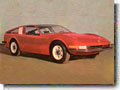
Ginevra The 1968 Dino Ginevra concept car. |
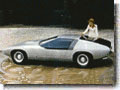 |
The 1969 Opel CD Prototype. |
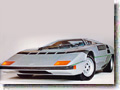 |
The 1978 Japanese Concept car |
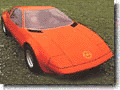 |
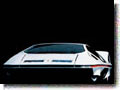
The Opel Geneve styling exercise. |
 |
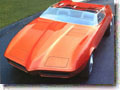
The 1970 Ferrari Modulo concept car. |
 |
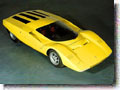
The 1968 Pontiac Banshee. |
 |
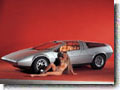
The Ferrari 512S concept car from 1969. |
 |
The Porsche Tapiro, from Ital Design. |
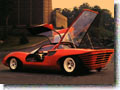 |
The 1968 Ferrari P5 by Pininfarina. |
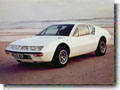 |
The 1971 Alpine A310 production car. |
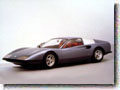 |
The Ferrari P6 Pininfarina from 1968. |
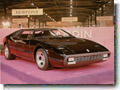 |
The 1974 production car. |
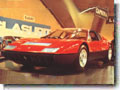 |
The 1971 Ferrari 365 Berlinetta Boxer. |
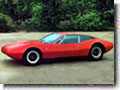 |
The 1969 Ghia concept car. |
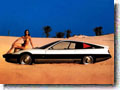 |
The 1974 Ferrari CR25 by Pininfarina. |
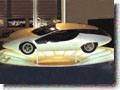 |
The 1969 Toyota EX-III concept car. |
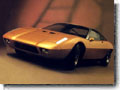 |
The Ford GT70 Sports Prototype, designed by Ghia. |
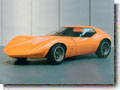 |
The 1966 Vauxhall XVR concept car. |
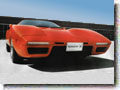 |
The 1970 Ford Mach II designed by Larry Shinoda. |
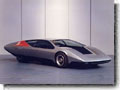 |
The 1970 Vauxhall SRV development car. |
 |
The 1984 Ford Maya Supercar |
Supercars and Concept cars of the late 1960s and early 1970s.
The late 1960s was an exciting time for car design, with car manufacturers developing supercars and concept cars that utilised the new mid-engine car layout. The mid-mounted engine had been developed in the late 1950's and early 1960's, through design developments in Formula 1, by the racing team Cooper. Many car manufacturers were aware of the handling advantages the new layout had over front engine sports cars and consequently wanted to utilise this new technology.
There were further developments in car aerodynamics too. By the mid 1960's, smoother, flatter profiles in car design were found to reduce drag, allowing cars to cut through the air more efficiently and travel faster. The mid-engine layout did away with the need for cars to have long bonnets. By integrating the angle of a shorter bonnet with the windscreen (forming a wedge shape), aerodynamic improvements were made. In the late 1960s, Designers such as Giorgetto Giugiaro and Marcello Gandini were instrumental in this development, designing such legendary supercar concepts as the Bizzarinni Manta and Alfa Romeo Carabo.
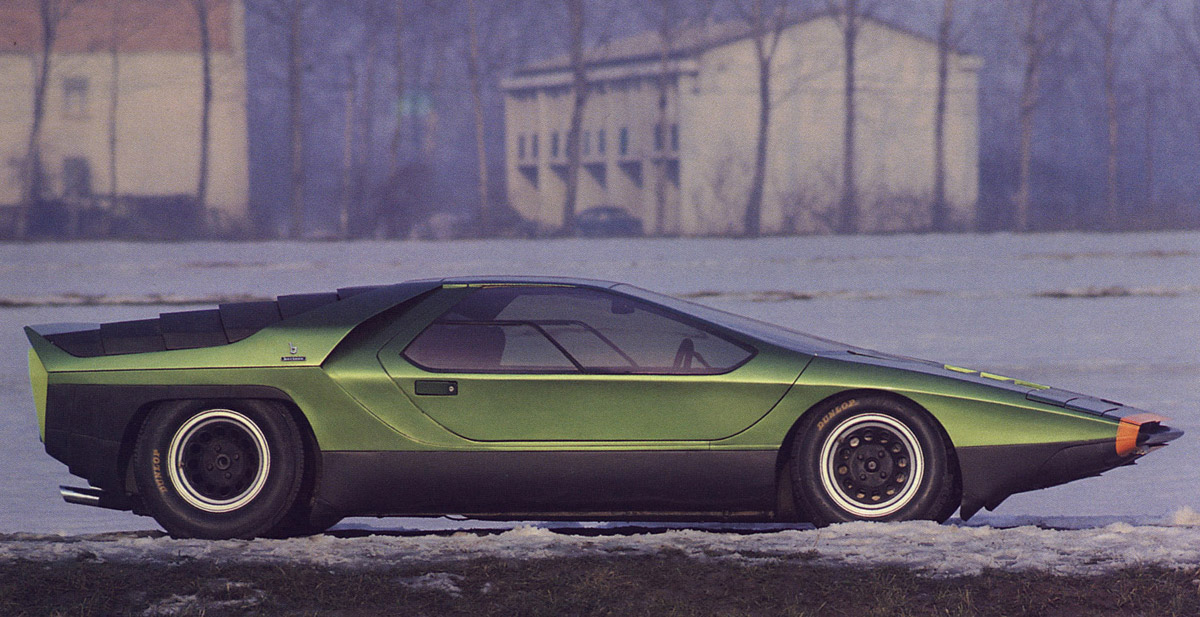
Alfa Romeo Carabo 1968 - Click to enlarge
With both the new mid-engine layout and the aerodynamic improvements, sports cars took on a new futuristic form, showing people a glimpse into the future. Cars such as the Lancia Stratos Concept car exemplified this forward thinking and paved the way for supercars as we know them today. The oil crisis and economic down turn of the mid 1970s put a halt to the development of supercars. Only in the mid 1980's would we see a resurgence of interest, with supercar concepts like the Ford Maya and Lotus Etna. By the late 1980s, supercars were again being developed and produced, such as the Ferrari F40, Jaguar XJ220 and Mclaren F1.
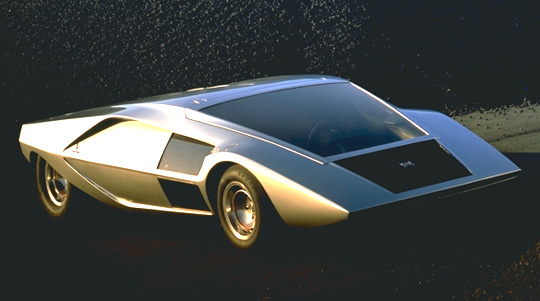
Lancia Stratos Zero 1970
Todays supercars feature the same mid engine layout and wedge shaped designs, evident in cars such as the Lamborghini Gallardo and Murcielago. Above are some examples of supercar concepts from the late 1960s and early 1970s.